
Prince William County, VA
Procurement and Construction Monitoring
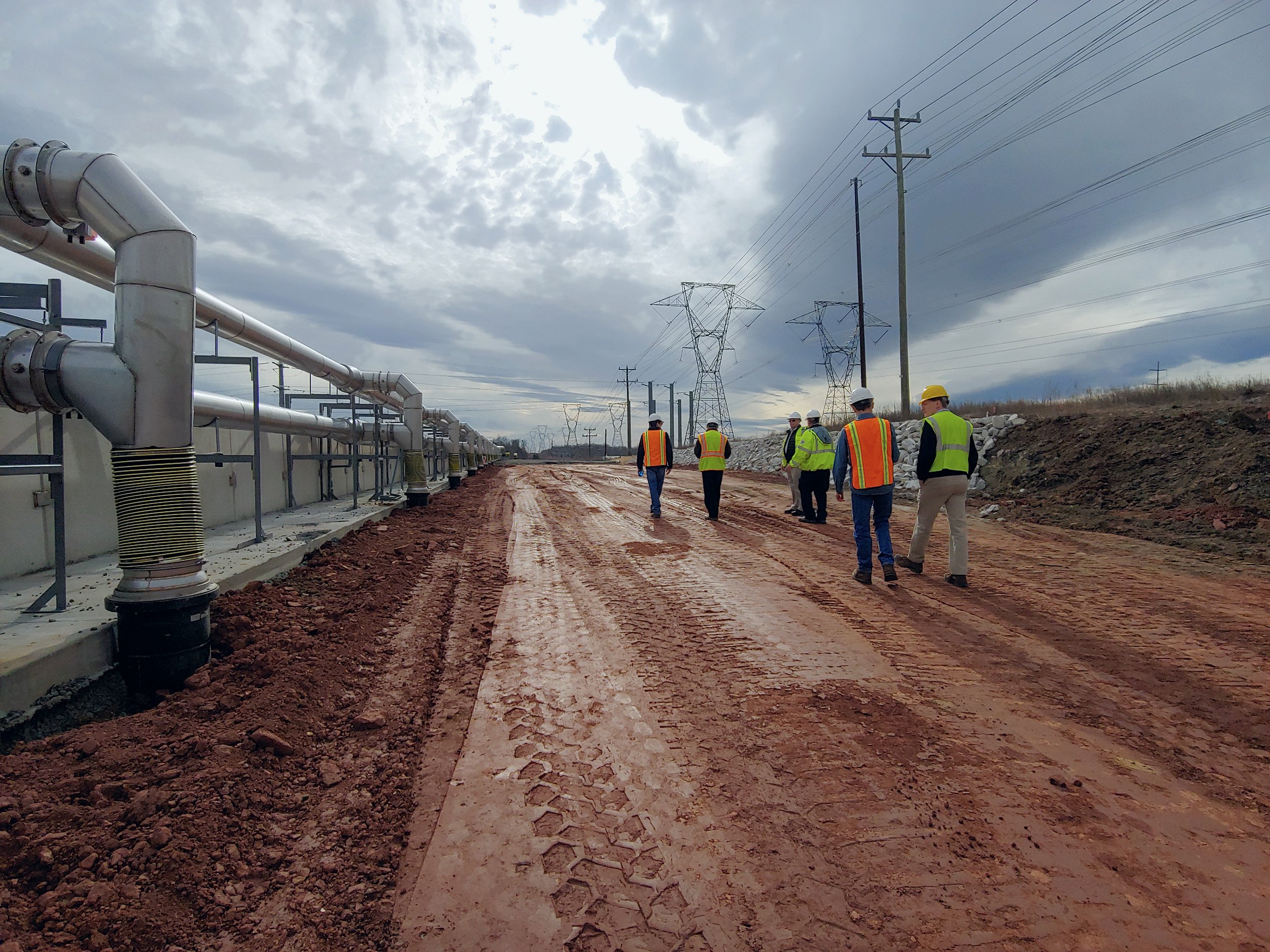
Prince William County, the second-most populous County in Virginia, located about 35 miles west of Washington, DC, officially started construction of a brand-new facility to process yard waste, wood waste, and pre-and post-consumer food and animal-derived wastes in December 2018 as a result of GBB’s procurement guidance and assistance. The first of two phases of construction of the new facility was completed in September 2020. On September 16, 2020, Prince William County hosted a ribbon-cutting ceremony to open the Phase I advanced organics management facility.
Under the innovative 20-year public-private partnership (PPP) agreement, with extension options, with the facility’s owner and operator, Freestate Farms, the Phase I facility transformed the County’s previous traditional windrow composting facility into an advanced composting facility using open bunkers and aerated static pile technology. Before Phase I, the facility processed approximately 25,000 tons per year of yard waste, wood waste, and limited pre-consumer, non-animal-derived food waste. With the Phase I facility in place, the County can now recycle approximately 75,000 tons per year of yard waste, wood waste, and pre- and post-consumer food and animal-derived wastes into high-value compost, soil amendments, and natural fertilizers. Accepting more types and greater amounts of food waste significantly expands the County’s ability to divert organic waste from its landfill, extending the landfill's life, minimizing the contribution of landfilled organic waste to climate change, and creating positive environmental benefits from the compost facility’s outputs. The County’s new facility will also greatly expand the Washington metropolitan region’s ability to compost food waste and serve as a flagship facility in the region and an inspiration for surrounding communities.
With GBB’s procurement, contracting, and construction monitoring assistance, the County anticipates completing the Phase II facility in 2022, which will increase the facility's processing capacity to up to 210,000 tons per year through the construction of in-vessel advanced composting bunkers. The Phase II facility will also include the construction of solar panels to produce renewable electricity for on-site use and modular, containerized “greenhouses,” heated with the waste heat produced by the in-vessel bunkers.
Compost Site Storm Water Pollution Prevention Plan Update
The GBB Project Team reviewed the County's previously submitted Site Storm Water Pollution Prevention Plan (SWPPP) updates to identify revisions required due to the construction and operation of the new compost facility; drafted and updated the SWPPP; and prepared the final version for submittal per state regulations.